Humanist Signature: A Font That Elevates Your Brand
It was a busy morning at the bakery, and I was finalizing the design for a new line of artisanal bread boxes. The labels needed to feel elegant yet approachable, something that would stand out on the shelf but still feel familiar. That’s when I remembered Humanist Signature—a font that had caught my eye during a recent font hunt.
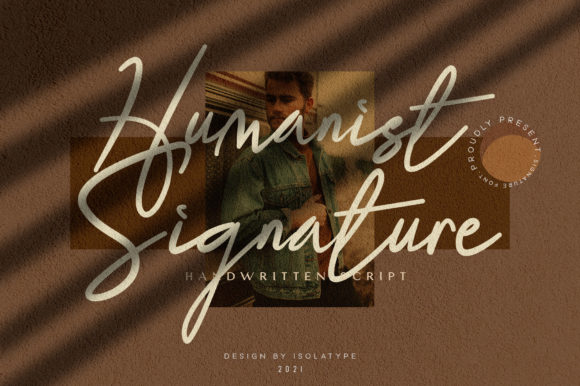
Humanist Signature is a handwritten script font with a refined edge. It blends the grace of traditional calligraphy with a modern sensibility, making it perfect for businesses that want to feel both timeless and contemporary. Its flowing lines and subtle variations give it a personal touch, while its structure ensures it remains legible and professional.
What makes Humanist Signature stand out is how it balances personality with practicality. It’s not overly ornate, which means it works well in a variety of contexts—from headlines to small labels. I tested it on a few different materials, and it consistently delivered a polished look without feeling too flashy.
Real-World Applications for Small Businesses
For a local candle seller, I used Humanist Signature on label designs. The font added a sense of craftsmanship to the product, making each jar feel like a handcrafted item rather than a mass-produced one. It worked especially well with minimalist packaging, where the font became the focal point.
A café owner once asked me about fonts for their new menu. We tried several options, but Humanist Signature felt just right. It gave the menu a warm, inviting tone without being difficult to read. The font paired beautifully with a clean sans serif for body text, creating a visual hierarchy that guided the reader through the offerings.
Another time, I helped a boutique update their product tags. Using Humanist Signature for the brand name and product titles made the tags feel more cohesive and professional. The font’s natural flow gave each tag a unique, handmade quality that customers appreciated.
How Typography Shapes Brand Perception
Typography isn’t just about aesthetics—it’s about communication. The right font can influence how customers perceive your brand. Humanist Signature helps create a sense of authenticity and care, which is essential for small businesses that rely on word-of-mouth and customer loyalty.
When used in logos, Humanist Signature adds a human element that can make a brand feel more relatable. It’s ideal for businesses that want to convey creativity, warmth, or individuality. However, it’s important to use it strategically. While it excels as a headline or display font, it may not be the best choice for long paragraphs of text due to its intricate details.
On mobile screens or printed labels, readability becomes a key concern. Humanist Signature holds up well in most cases, but it’s worth testing at smaller sizes to ensure clarity. For example, using it for a product title on a packaging label is fine, but pairing it with a simpler font for the ingredient list or instructions can improve overall legibility.
Pairing Ideas for Different Styles
One of the strengths of Humanist Signature is how well it pairs with other fonts. For a modern look, try combining it with a clean sans serif like Montserrat or Lato. This creates a balanced contrast between the handwritten elegance of Humanist Signature and the simplicity of the sans serif.
If you’re going for a more classic or luxury feel, pairing it with an elegant serif font like Playfair Display or Georgia can enhance the sophistication of your design. For a playful or creative vibe, consider using it alongside another script or handwritten font, but be mindful of not overcomplicating the layout.
When working on digital projects, such as website banners or social media graphics, Humanist Signature can add a touch of personality without overwhelming the design. It works particularly well in headers, promotional text, or decorative accents where a bit of flair is desired.
Considerations for Business Use
Before using any font in a business context, it’s important to check the licensing terms. Humanist Signature likely comes with commercial use rights, but it’s always good to verify. This is especially important if you plan to use the font on products, packaging, or client work.
The font may also include multiple weights, alternates, and ligatures, which can offer more flexibility in design. Exploring these features can help you get the most out of the font and tailor it to your specific needs.
For multilingual projects, checking whether the font supports additional characters is also a good idea. This ensures that your branding remains consistent across different languages and regions.