Kagemasha: A Script Font for Web Design
As a web designer, I’m always on the lookout for fonts that bring personality and visual interest to a site without sacrificing readability. Kagemasha, a script font from the Script Amp collection, has quickly become one of my go-to choices for headers, hero sections, and decorative accents. Its elegant form and contemporary feel make it perfect for modern websites that want to stand out while maintaining a professional edge.
A Font That Speaks with Elegance
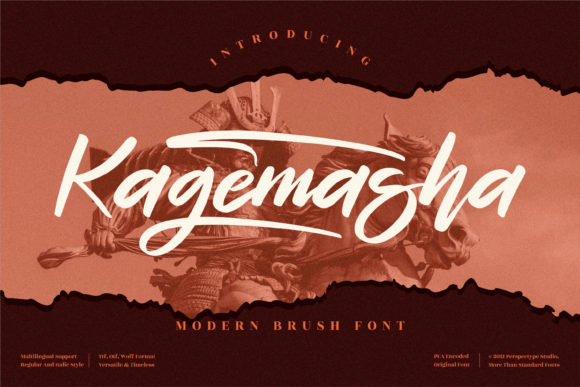
Kagemasha is a script font that balances classic calligraphy with modern design sensibilities. It’s not too thin, not too thick—just right. The strokes are varied and expressive, giving it a natural, handcrafted feel that feels both refined and approachable. Whether you’re designing a portfolio site or an online store, Kagemasha adds a touch of sophistication that elevates the overall aesthetic.
What makes Kagemasha especially appealing is its versatility. It works well as a headline font, a logo element, or even a decorative text in banners and buttons. Its curves and flourishes add visual interest without overwhelming the layout, making it ideal for creative projects that need a bit of flair.
Testing Kagemasha in Real Web Layouts
I first tested Kagemasha on a boutique online store project. The client wanted a clean, modern look with a personal touch. I used Kagemasha for the hero section heading, paired it with a simple sans serif for body text, and it worked beautifully. The contrast between the two fonts created a clear visual hierarchy while keeping the design cohesive.
On mobile devices, Kagemasha held up well. The font is legible at smaller sizes, which is crucial for responsive design. I also used it on a landing page for a digital course, where it served as the main title. The font’s flowing style gave the page a sense of movement and energy, which helped draw attention to the call-to-action button.
One thing to keep in mind is that Kagemasha is best suited for short phrases and headlines. It’s not ideal for long paragraphs or dense blocks of text. But when used strategically, it can add a unique character to any website.
When to Use Kagemasha in Web Projects
Kagemasha shines in areas where visual impact matters most. For example, it’s great for:
- Hero section headings
- Call-to-action buttons
- Portfolio titles
- Online shop banners
- Blog headers
- Course landing pages
It also pairs well with other fonts. I often use it alongside a clean sans serif like Lato or Montserrat for body copy. This combination keeps the design balanced while allowing Kagemasha to stand out where it matters most.
For more editorial-style sites, pairing Kagemasha with a serif font like Georgia or Playfair Display can create a timeless, elegant look. On the other hand, for a more minimal and modern feel, a bold display font might work better as a secondary element.
Readability and Responsive Design
When using Kagemasha in web design, it’s important to consider how it will look across different screen sizes and backgrounds. On dark backgrounds, the font maintains good contrast, but on light backgrounds, it can sometimes feel a bit delicate. To counter this, I often increase the line height and spacing slightly to improve legibility.
For small buttons or icons, Kagemasha may not be the best choice. In those cases, a simpler font with clearer shapes works better. However, for larger elements like headlines or banners, it’s a strong performer.
Another consideration is accessibility. While Kagemasha is visually appealing, it’s not the best option for users who rely on screen readers or have difficulty with complex typography. For these cases, a more straightforward font is recommended.
Font Pairing and Commercial Use
If you're planning to use Kagemasha in a commercial project, make sure to check the licensing terms. Most premium fonts include commercial use rights, but it’s always good to verify. Also, consider the file formats available—web designers often need WOFF or WOFF2 files for optimal performance.
When working with clients, I recommend exploring the font’s alternate characters and ligatures. These features can add subtle variations that make the design feel more unique and personalized. Kagemasha includes several stylistic alternates that allow for creative flexibility without compromising readability.
Overall, Kagemasha is a powerful tool for web designers looking to add a touch of elegance and creativity to their projects. Its balance of style and usability makes it a valuable addition to any design toolkit.